Buea: Bishop Bibi urges motorbike riders to protect human life
Source: Cameroon Intelligence Report · Admin Maneger ·
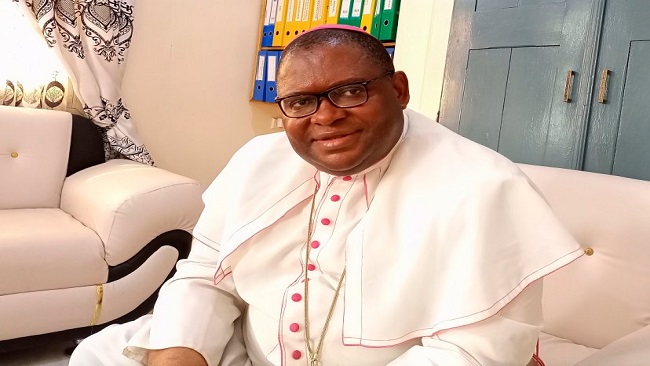
Bishop Michael Miabesue Bibi of the Catholic Diocese of Buea in Cameroon has called on motorbike riders in his Episcopal See to treat their profession as a service to humanity, urging them to protect human life, respect road users, and uphold the dignity of their work, justice and peace. In his homily during the Annual…
Read the full article on Cameroon Intelligence ReportRelated — Cameroon
 Cameroon
Cameroon tightens controls on domestic gas supply to end market shortages
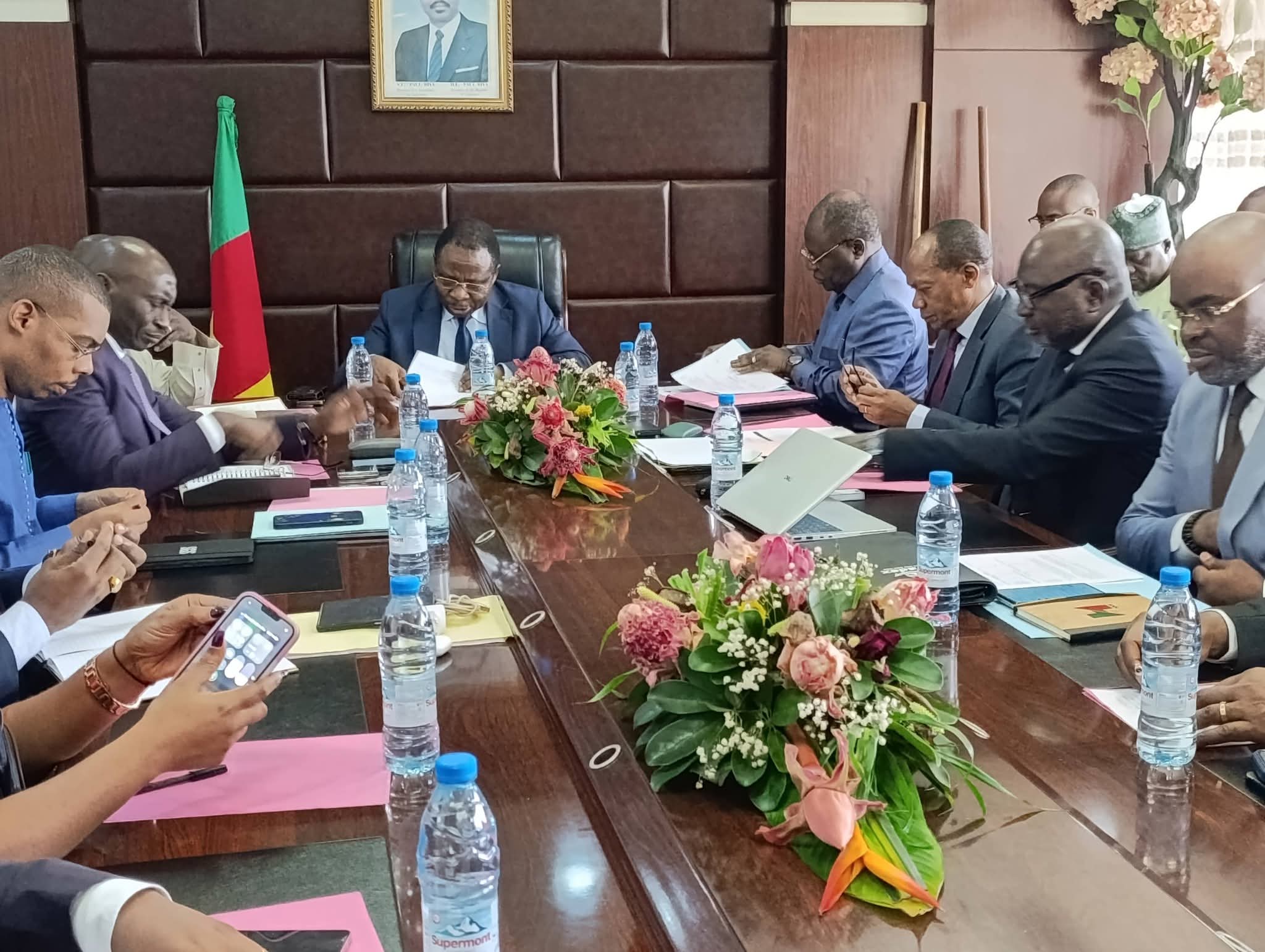
© MINEE Following extensive consultations with industry stakeholders, Cameroon’s Ministry of Water and Resources - MINEE is cracking down on supply chain disruptions in the liquefied petroleum gas - LPG market. Minister Gaston Eloundou Essomba led a three-hour working session with key actors to directly address the structural bottlenecks plaguing national availability. On September 23, 2026, the Minister issued a circular establishing strict operational rules designed to resolve market failures and guarantee consistent cooking gas distribution for households. The Ministry's diagnostic revealed several systemic practices undermining supply stability across the country. Key issues include delayed or non-existent payments from marketers to importers, failure to adhere to allocated market shares, and preferential dispatching to industrial clients over consumer retail outlets. Furthermore, the MINEE highlighted illegal diversions of subsidized domestic gas to industrial operations. The newly signed circular translates previous industry discussions into enforceable, mandatory guidelines aimed at curbing these irregular practices. To restore order, the new directive imposes clear responsibilities on every segment of the supply chain. Importers are now legally bound to adhere strictly to delivery schedules and settle invoices within contractual deadlines. Simultaneously, the Cameroon Petroleum Depot Company - SCDP must allocate cargoes according to formal commercial contracts and prioritize national market import receipts while maintaining transit flows to neighboring landlocked nations. Crucially, licensed distributors are now required to maintain an operational fleet of at least 10,000 cylinders before taking delivery of retail-bound LPG. Enforcement will be swift for non-compliant operators trying to bypass the new standards. The Ministry warned that failure to abide by the circular's provisions will result in regulatory penalties, ranging from immediate suspension to the complete revocation of operating licenses. By pairing administrative dialogue with strict accountability, the government aims to ensure every actor bears their fair share of responsibility in keeping the supply chain transparent and functional. The primary objective is to make domestic cooking gas readily available and affordably accessible across all regional retail outlets. Following stakeholder consensus, this September 23 circular represents a decisive shift from strategy to rigorous on-the-ground execution. Cet article Cameroon tightens controls on domestic gas supply to end market shortages est apparu en premier sur Journal du Cameroun.
 Cameroon
President Biya is back in Europe
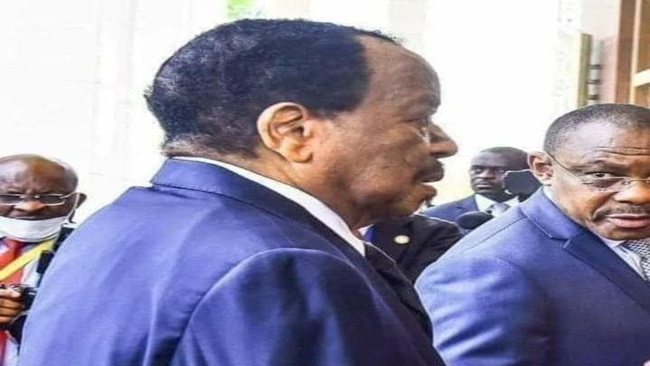
Cameroon’s 94-year-old president, Paul Biya is back in Switzerland following a serious malaise. The man whose supporters hold that is in good shape collapsed last week and could not sit on a medicalised ambulance which waited at the Nsimalen Airport for two days. Biya recently returned from Europe after more than two months abroad due…
 Cameroon
Top municipalities honoured in public investment awards
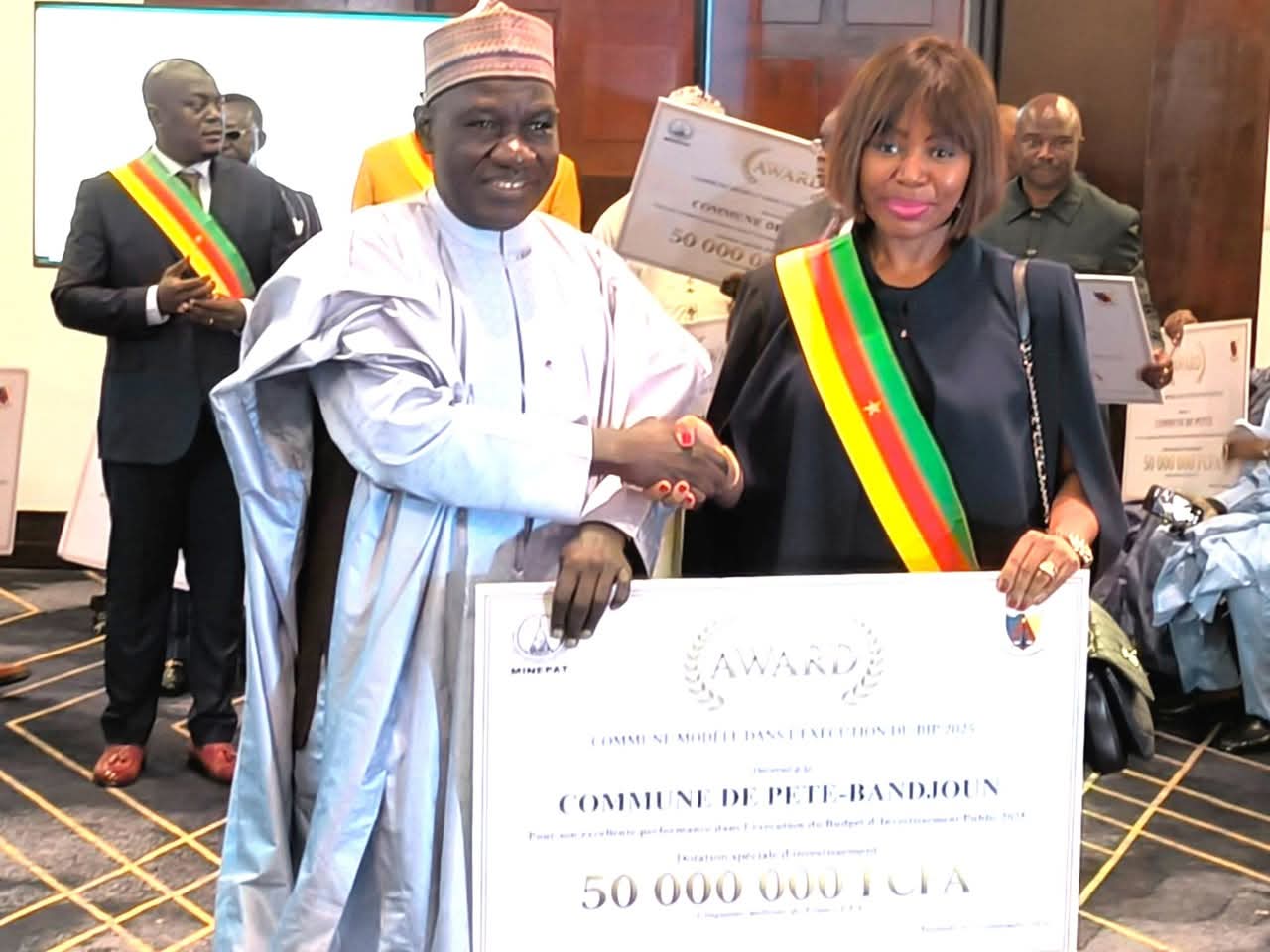
© MINEPAT Cameroon’s Minister of Economy, Planning, and Regional Development, Alamine Ousmane Mey, chaired the second edition of the "Model Municipalities Awards for Public Investment Project Execution" for the 2025 fiscal year on September 22, 2026, in Yaounde. The event recognized local councils that demonstrated outstanding efficiency, transparency, and timely delivery in managing public infrastructure and development initiatives. Ten award-winning municipalities, each representing one of Cameroon's ten regions, received distinction for their exceptional performance. The selected councils are Ngaoundéré III (Adamawa), Kobdombo (Centre), Ngelebok (East), Petté (Far-North), Loum (Littoral), Touroua (North), Nkambe (North-West), Pété-Bandjoun (West), Zoétélé (South), and Idabato (South-West). Each winning municipality received a financial grant of 50 million FCFA, bringing the total prize pool to 500 million FCFA. This recognition aims to highlight the strong performance of Decentralized Local Authorities, foster healthy competition in the execution of public investment projects, and maximize the positive impact of these initiatives on the daily living conditions of local communities. By rewarding operational excellence, the Ministry seeks to improve overall fiscal discipline and project completion rates across regional governments. Through this initiative, the Ministry of Economy, Planning, and Regional Development - MINEPAT actively promotes best practices, accountability, and a results-driven culture in public investment management. The program serves as a cornerstone for empowering local governance structures to drive sustainable socioeconomic development throughout the nation. Cet article Top municipalities honoured in public investment awards est apparu en premier sur Journal du Cameroun.
 Cameroon
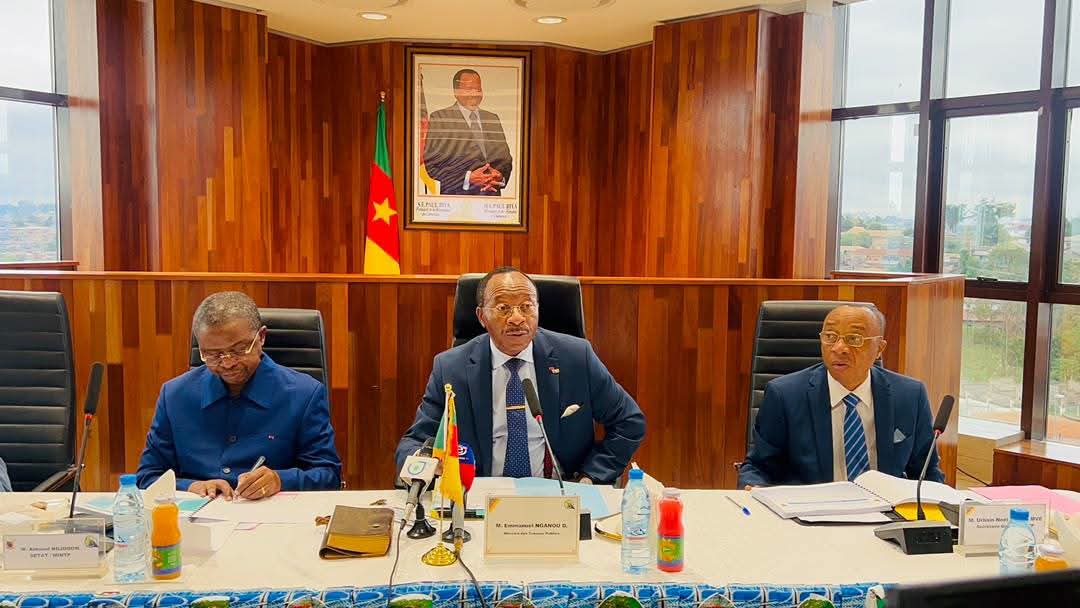
Cameroon reviews 18 jointly-funded road projects across Northern regions
© MINTP Cameroon’s Minister of Public Works, Emmanuel Nganou Djoumessi, chaired a comprehensive performance review on Wednesday, September 23, 2026, targeting 18 major road infrastructure initiatives currently underway in the country's northern network. The projects, which span the Adamawa, North, and Far North regions, are executed under joint financing agreements with international development partners. The review focuses on key strategic programs designed to modernize transport corridors and boost regional trade. Prominent among these are Phases II and IV of the Transport Sector Support Programme, alongside the Territorial Development and Private Sector Promotion Project operating in the Far North Region. Critical transit arteries are under direct evaluation, particularly sections connecting the Ngaoundéré–Garoua axis across the Adamawa and North regions. In the Far North, technical discussions target heavily traveled links, including the Maroua–Moutourwa, Magada–Guidiguis, and Guidiguis–Yagoua stretches. Special attention is also dedicated to the Project for Improving Connectivity, Resilience, and Inclusion along the strategic Mora–Dabanga–Kousséri corridor. This vital route serves as a major trade artery connecting Cameroon to neighboring countries in the Lake Chad Basin, making its rehabilitation a priority for national economic resilience. During the sessions, the Minister and MINTP technical teams are meeting directly with contractors and supervisory firms to address specific implementation challenges. The discussions cover projects at various operational stages, ranging from newly launched sites to corridors achieving steady progress and sections nearing final completion. Cet article Cameroon reviews 18 jointly-funded road projects across Northern regions est apparu en premier sur Journal du Cameroun.
 Cameroon
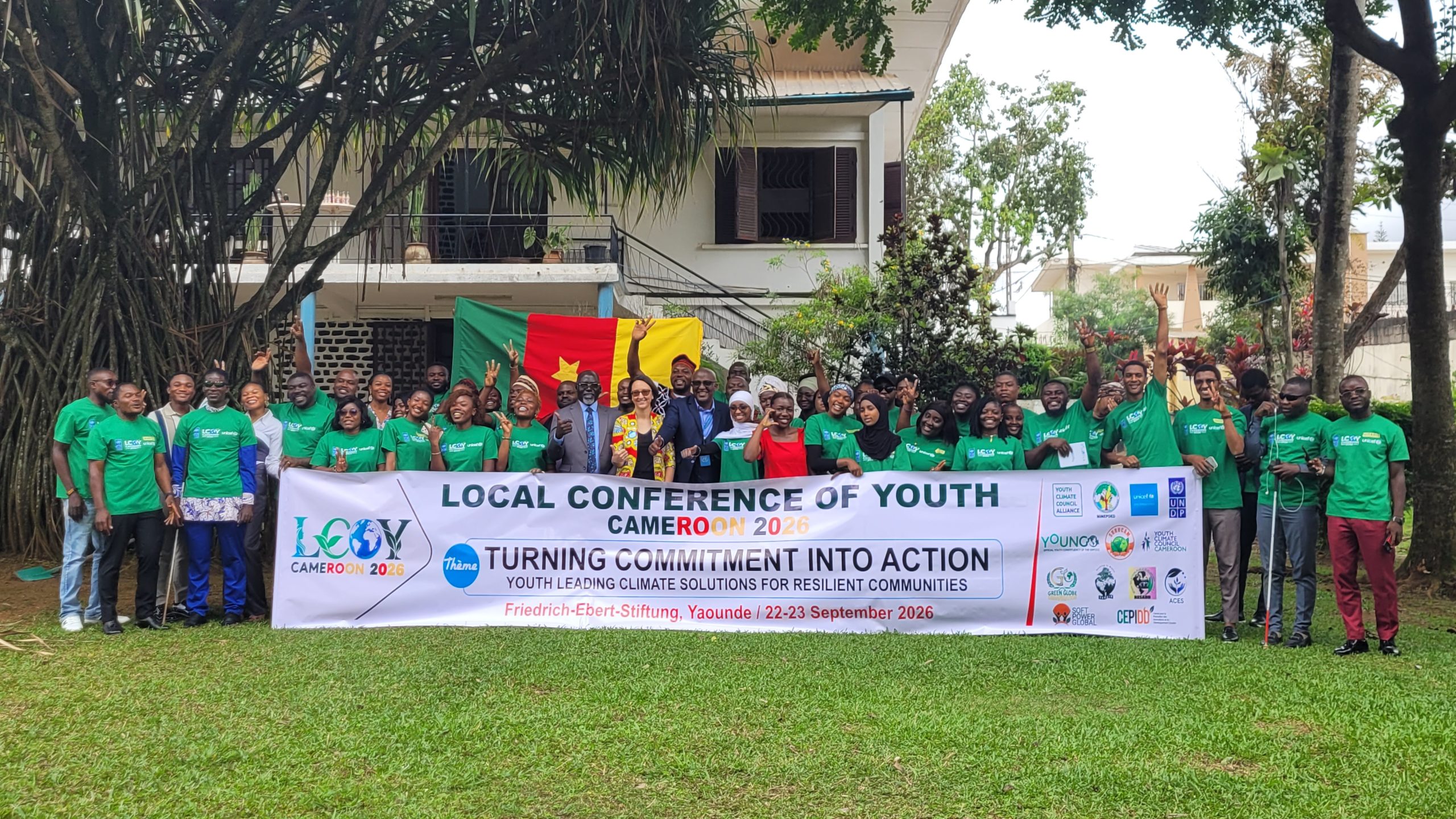
Cameroonian Youth mobilize for climate action at LCOY Cameroon 2026
© JDC Fifty dynamic youth representatives from across all ten regions of Cameroon gathered in Yaounde at the Friedrich Ebert Stiftung office for the Local Conference of Youth - LCOY 2026. Organised by Support Humanity Cameroon - SUHUCAM alongside a coalition of seven partner youth-led non-governmental organizations, the two-day conference brings together young climate advocates, youths from indigenous communities, and policy stakeholders. Under the theme “Turning commitment into action: Youth leading climate solutions for resilient communities,” the gathering served as a vital forum for capacity building, peer learning, and collaborative strategy formulation to elevate youth perspectives in national and global climate governance. The event benefited from significant technical and financial support provided by the United Nations Development Programme - UNDP Cameroon, UNICEF Cameroon, and the Ministry of Environment, Protection of Nature and Sustainable Development - MINEPDED. During the opening ceremony, institutional leaders highlighted that meaningful youth inclusion is essential for sustainable climate mitigation and adaptation. Timothee Kagonbe, MINEPDED's UNFCCC Focal Point for Cameroon, stressed that because young people will bear the long-term impacts of climate change in the coming decades, they must be actively equipped with technical policy knowledge, accredited, and integrated into official government delegations to global climate summits. Highlighting the distinct vulnerabilities across Cameroon's diverse geographic zones, Mrs. Juliette Haeni, Deputy Representative at UNICEF Cameroon, emphasized that local youth are uniquely positioned to spearhead community-level resilience. Inclusivity and targeted vulnerability assessments formed a core pillar of the summit's deliberations. Disability advocate and conference participant Nguini Simone called attention to the disproportionate dangers extreme weather events present to persons living with disabilities, particularly regarding inaccessible infrastructure during sudden floods in major hubs like Yaoundé and Douala. Simone emphasized that organizations representing persons with disabilities must be formally consulted during disaster risk reduction planning to ensure inclusive emergency response strategies that protect the most vulnerable populations. Local community adaptation strategies were vividly illustrated by Sufyaan Ibrahim, a climate advocate from the Mbororo pastoralist community. Ibrahim shared how shifting weather patterns and traditional land disputes sparked by eucalyptus planting severely threatened livestock productivity and traditional livelihoods. To address these challenges without resorting to long-distance transhumance, his community revolutionized grazing by cultivating drought-resistant Brachiaria grass across multiple hectares, significantly reducing cattle travel distances and mitigating farmer-grazier tensions a concrete example of indigenous-led climate adaptation shared during the conference. Despite the impact of these grassroot initiatives, youth advocates face persistent structural barriers, particularly around funding mobilization and institutional trust. Queeniver Ngwangung, Youth and Advocacy Lead at SUHUCAM and Land Youth Negotiator, noted that resource constraints often hinder youth-led climate organizations because external partners prioritize legacy experience over active competence. However, by pooling resources within an eight-organization coalition, LCOY 2026 successfully demonstrated the collective strength and organizational capacity of youth-led networks to secure funding and drive impactful policy dialogues. Aime Kamga representing UNDP shared the various opportunities that exist for young people with the institution while acknowledging that youth action serves as a vital platform to empower young people, who represent about 65% of the population, to lead the fight against climate change through innovation, entrepreneurship, and active governance. Furthermore, he presented the commitment of the 2027–2031 program geared towards investing in green jobs, education, and climate resilience, recognizing that sustainable solutions stem from local communities and young visionaries. Kamga concluded by reaffirming government stand of empowering youth to be solution providers. Looking forward, LCOY Cameroon 2026 serves as the focal point of an expanded national consultation process encompassing regional discussions, thematic workshops, and capacity-building tracks. According to Tuombouh Sandra, LCOY 2026 Cameroon Focal Point, the primary deliverable of the conference is the drafting of the National Youth Statement. This policy document will consolidate the priorities of Cameroonian youth, feed into the global Conference of Youth - COY in Turkey, and be submitted to YOUNGO, the official youth constituency of the UNFCCC and MINEPDED negotiators to directly shape government positions ahead of COP31. Cet article Cameroonian Youth mobilize for climate action at LCOY Cameroon 2026 est apparu en premier sur Journal du Cameroun.
 Cameroon
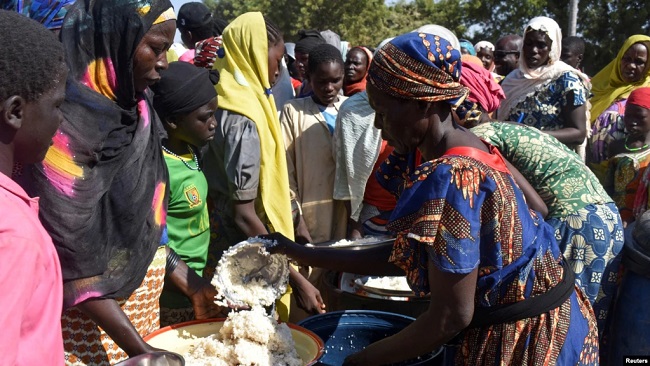
Far North Region: Hundreds flee homes after armed group raid kills 15
Hundreds of people have fled their homes after an armed group killed 15 people in the village of Madegoua near the town of Makary in the Far North region of Cameroon. The attack on Wednesday triggered a wave of displacement from 10 nearby villages. Several hundred people fled towards Kousseri and others went farther afield…
Recommandé pour vous

Mayo-Kebbi Ouest : le préfet de Nanaye appelle les producteurs à mieux gérer leurs revenus agricoles
Tchad Infos
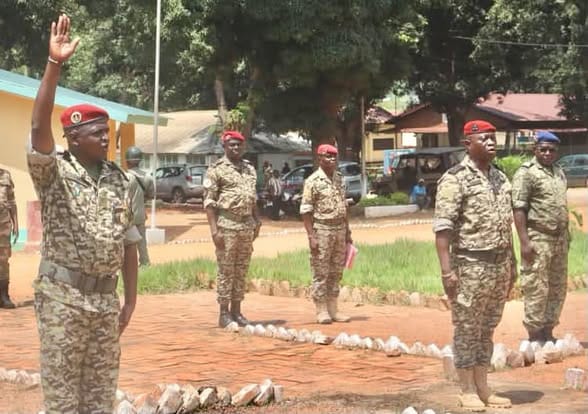
RCA : la restructuration des FACA s'accélère avec l'installation de nouveaux chefs de corps
Alwihda Info
🇨🇲 De quel région sera issue le tout premier Vice-Président du mandat des Grandeur et Espérance ?
Sponsorisé · KasoPlex
Bassirou Diomaye Faye : « Macky Sall a subi les affres de la dette qui l’ont plombé dans ses ambitions »
Senego

Diomaye Faye : aucune date fixée pour la dissolution de l’Assemblée nationale
Senego

N’Djaména : la commune du 1er arrondissement présente ses réalisations à la tutelle
Tchad Infos
Les Lifeurs·euses africain·e·s qui cartonnent en ce moment
Sponsorisé · KasoLife
Diomaye Faye sur sa rupture avec Sonko : « Nous avons eu des divergences persistantes sur certains sujets »
Senego