Youth take center stage as Cameroon’s LCOY 2026 sets strategy for COP31
Source: Journal du Cameroun (EN) · Louisa KINYUY ·
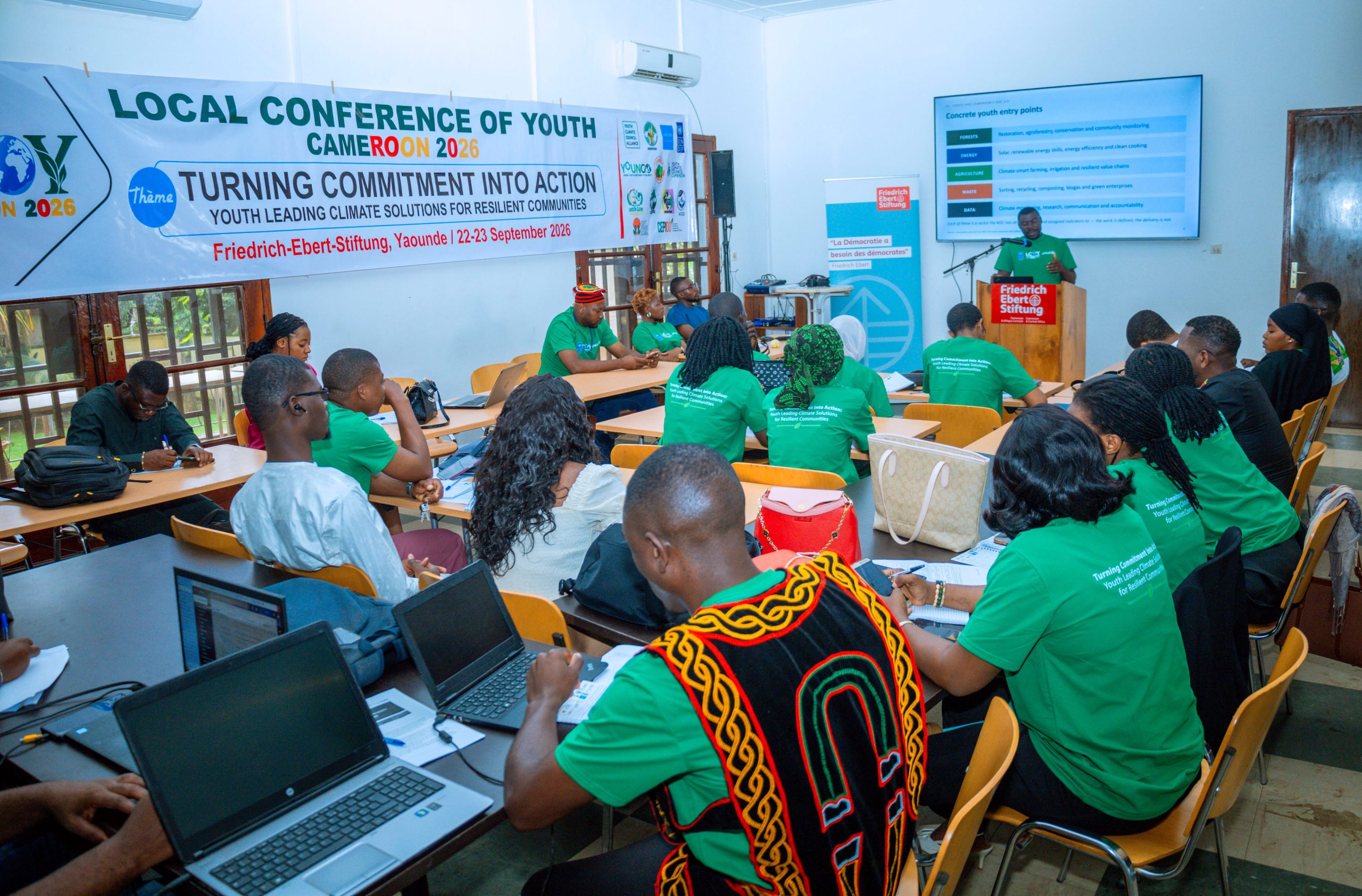
© LCOY Cameroon’s vibrant youth movement took a massive stride forward as the Local Conference of Youth - LCOY 2026 concluded on September 23, 2026, at the Friedrich Ebert Stiftung office in Yaounde. The two-day national event brought together dozens of passionate young delegates from across all ten regions of the country to draft the National Youth Statement. This crucial advocacy document will be presented to Cameroonian governmental authorities to ensure the nation’s youth perspective is integrated into the national agenda ahead of the COP31 global climate negotiations scheduled for November 9 to 20, 2026, in Antalya, Turkey. Organized under the global umbrella of YOUNGO, the official youth constituency of the UNFCCC, and accredited locally through Support Humanitarian Cameroon - SUHUCAM, the conference served as a vital consultation platform. Key themes centered around climate education, digital literacy, establishing a shared institutional architecture, and unlocking climate finance access for youth-led organizations. Participants actively engaged in round-table discussions, plenaries, and specialized focus groups addressing adaptation strategies, energy transitions, and community-level resilience. Highlighting the transformative nature and smooth execution of the event, organizers and regional delegates reflected on how the gathering united diverse voices while providing essential logistics to remove participation barriers. Awat Bertrand Abanyi, a member of the organizing coalition and Founder of Green Globe organization, emphasized the event's intentional inclusivity, noting that "to make it relatively easy, and to see into it that there was no exclusion, you see we had to bring people who were even disabled in one way or another." He extended heartfelt appreciation to key partners, stating, "we want to give a big shout-out to our partners: the United Nations Development Programme, we want to give a big shout-out to UNICEF." Concurrently, Dr. Ngai Nfor Jude of ECOAID Buea praised the authentic engagement of participants from every region, observing that "everybody actually aired out what is happening, the reality, and that is why we actually came up at the end of the day with a concrete 10 powerful points to send to the authorities." He further affirmed that the conference signaled a broader paradigm shift, declaring, "we now know that the youth are not beneficiaries, but they are actually actors, main actors when it comes to these climate change activities." A major focal point throughout the discussions was the imperative for financial empowerment and localized capacity building, particularly for communities hit hardest by environmental degradation. Mang-Egre Léonard, coordinator of the Network of Actors for Sustainable Development (Réseau des Acteurs pour le Développement Durable), highlighted the urgent situation in the Far North region. He noted that masterclasses led by experts from UN entities and government ministries on climate finance and fundraising empowered organizations like his to collaborate and design bankable, resilient projects capable of making a tangible impact on the ground. Inclusivity extended beyond regional borders to encompass vulnerable social groups, ensuring every section of society had a voice in shaping Cameroon's climate future. Representatives from indigenous communities, the grassfields, Francophone regions, and persons with disabilities voiced specific community challenges. Ebwe-Lobe Samuel, a visually impaired student at IRIC and social entrepreneur, lauded the conference for deepening his understanding of Cameroon’s national development framework (SND30) and Nationally Determined Contributions (NDC 3.0), while advocating for future dedicated climate forums focused tailored specifically to persons with disabilities. The gathering also challenged conventional views on who can participate in climate action, promoting the idea that environmental stewardship spans across all professional backgrounds. Climate advocate Fatima Mady stressed that climate literacy must extend to non-specialists, arguing that every citizen, from human resource officers and linguists to market vendors in Mokolo, can contribute meaningfully to climate solutions within their own daily spheres, as climate impacts affect everyone universally. Coordinators like Dr. Ngwa Niba of Support Humanity Cameroon reaffirmed that LCOY 2026 successfully consolidated intellectual resources from across the national territory. By aligning young people’s lived experiences with strategic frameworks, the conference ensured youth input is directly embedded into policy consultations. The consolidated data is currently undergoing final review by delegates before being formally submitted to national ministries to help guide Cameroon’s official delegation at COP31. Ultimately, LCOY 2026 proved to be an inspiring baseline for unified youth activism in Central Africa. Supported by partners such as UNDP and UNICEF, Cameroonian youth have demonstrated that they are prepared to transition from passive observers to lead negotiators and key drivers of climate resilience in their communities and on the international stage. Cet article Youth take center stage as Cameroon’s LCOY 2026 sets strategy for COP31 est apparu en premier sur Journal du Cameroun.
Read the full article on Journal du Cameroun (EN)Related — Cameroon
 Cameroon
Cameroon and European Union wrap up landmark decade-long Banana support program
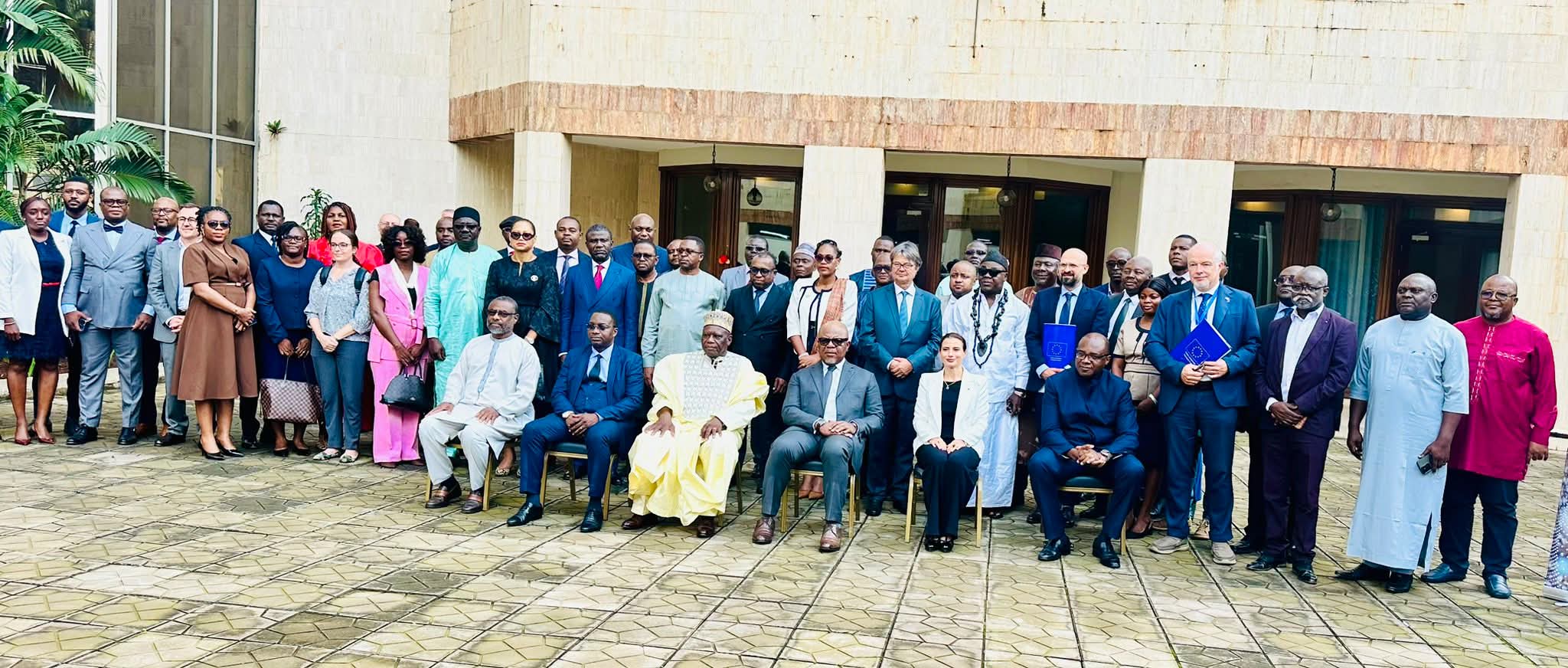
© MINEPAT The final evaluation and reporting workshop for the Banana Accompanying Measures Program - MAB took place in Yaounde on September 23, 2026, marking the successful completion of a major long-term initiative. The event was co-chaired by Paul Tasong, Minister Delegate to the Minister of Economy, Planning and Regional Development - MINEPAT, alongside Her Excellency Veronika Boskovic Pohar, European Union Ambassador to Cameroon, and key sector partners. Designed within the framework of the Cameroon–EU cooperation, the MAB program has served as a cornerstone for strengthening and expanding Cameroon's banana sector over the past decade. Financed through the European Union, the program mobilized over 31 billion FCFA, approximately €47 million, in grants since the initial agreement was launched in 2013. These funds were directed toward modernizing infrastructure, acquiring state-of-the-art equipment, and driving productivity across commercial plantations. Beyond hardware investments, a significant portion of the funding was channeled into international certification processes, helping Cameroonian banana exports adhere to strict global standards while improving working conditions and preserving vital jobs in rural production zones. Human capital development remained a primary pillar throughout the program's ten-year deployment. The initiative provided comprehensive training and capacity-building opportunities for workers across the entire value chain, supporting both major production operators and collective initiatives led by the Banana Association of Cameroon - ASSOBACAM. By investing heavily in technical skills, the program built a more resilient workforce capable of sustaining high quality and competitiveness in international markets. The wrap-up workshop provided an essential platform to capitalize on the technical, economic, social, and environmental achievements realized over more than ten years of implementation. Through MINEPAT, the Cameroonian government aims to consolidate these strategic gains to define clear future perspectives for the banana industry, which represents one of the nation's top non-oil agricultural exports and a vital source of foreign exchange. This long-term cooperation aligns directly with the priorities of Cameroon’s National Development Strategy 2030 - SND30, particularly regarding economic structural transformation, productive sector growth, and employment creation. The successful conclusion of the MAB program highlights the enduring strength of the Cameroon-EU partnership, reinforcing its role as a key driver for sustainable economic growth and job creation across the country. Cet article Cameroon and European Union wrap up landmark decade-long Banana support program est apparu en premier sur Journal du Cameroun.
 Cameroon
Cameroon and IMF convene over strategic investments to bolster the electricity sector
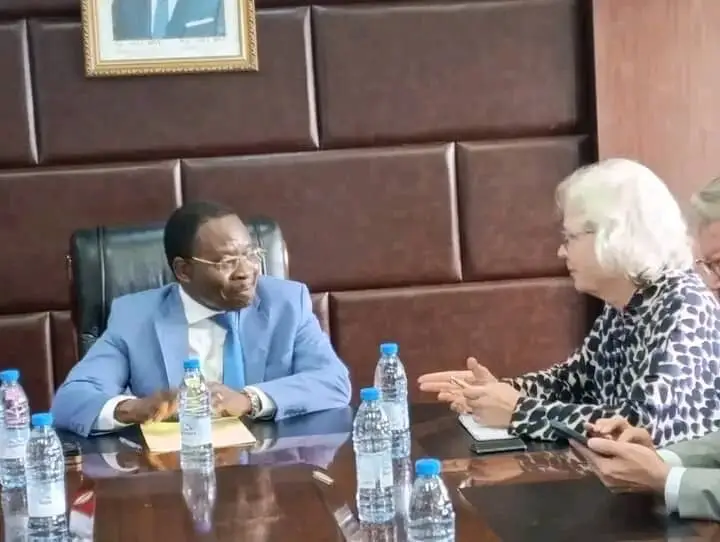
© Afriquebelgique.news Cameroon’s Minister of Water and Energy, Gaston Eloundou Essomba, alongside senior ministry officials, hosted an International Monetary Fund - IMF delegation led by Mission Chief Christine Dieterich on Monday, September 21, 2026. The bilateral discussions focused comprehensively on the operational and financial health of the national power sector. Addressing issues spanning power generation, transmission infrastructure, loss reduction, and growing consumer demand, Cameroonian authorities provided a transparent overview of current structural bottlenecks while presenting strategic roadmaps designed to stabilize the power grid. While acknowledging ongoing supply disruptions, the Ministry outlined key initiatives underway to enhance service quality through targeted infrastructure rehabilitation. A primary focus involves upgrading high-voltage transmission networks, increasing transformer substation capacities, and fortifying distribution corridors. Notably, to address power drops caused by decaying wooden infrastructure, the government has launched a World Bank-supported project to substitute 50,000 of the nation's 1.5 million wooden poles with concrete alternatives across all ten regions, prioritizing critical supply lines. The operational status of the Nachtigal Hydroelectric Power Plant formed a central pillar of the consultation. Although the facility's production infrastructure is fully operational, Minister Eloundou Essomba detailed how fluctuating hydrological conditions and seasonal water shortages currently prevent the plant from consistently generating at its maximum installed capacity. This reality underscores the vulnerability of the national grid to hydrological risks and highlights the urgent necessity to diversify energy sources to meet expanding consumer requirements. To maximize the impact of available power, accelerating energy transport infrastructure remains a top priority. While Nachtigal’s output successfully reaches Yaounde, active construction is focused on completing the high-voltage transmission corridor to Douala, the country's primary industrial center. Contractors working on the remaining segments have been directed to expedite construction, with official targets aiming to render the entire Yaoundé–Douala evacuation corridor operational before the end of 2026. In tandem with grid expansion, authorities emphasized the imperative to curb significant technical and commercial losses that undermine the sector's financial sustainability. Resolving these leaks requires a combination of network modernization, rigorous preventative maintenance, and heightened measures against electricity fraud. Confronting a continuous rise in domestic and industrial demand, the government outlined emergency supply initiatives, including a planned 200 MW rapid-deploy solar program and capacity restoration at existing facilities. Looking toward medium-term stability, discussions highlighted expansion plans for the gas-fired power plant in Kribi to generate immediate base-load capacity ahead of larger infrastructure rollouts. Ministry officials reiterated that securing a reliable, high-volume energy supply extends beyond basic utility provision; it is an essential prerequisite for sustaining industrialization and broader economic growth. The high-level exchange paved the way for Cameroon to align its sector reform commitments with IMF monitoring, reinforcing a shared emphasis on sustainable energy governance. Cet article Cameroon and IMF convene over strategic investments to bolster the electricity sector est apparu en premier sur Journal du Cameroun.
 Cameroon
Perenco reports new Oil and Gas findings in Cameroon
Cameroon’s National Hydrocarbons Corporation, SNH, and Perenco have released new data on exploration and development work in the Rio del Rey basin. The information was presented on September 17, 2026, in Yaoundé at a meeting marking the appointment of Julien Gras as managing director of Perenco’s Cameroonian subsidiaries. According to a briefing note prepared by…
 Cameroon
Agriculture: WFP inaugurates new Administrative facility in Far North Cameroon
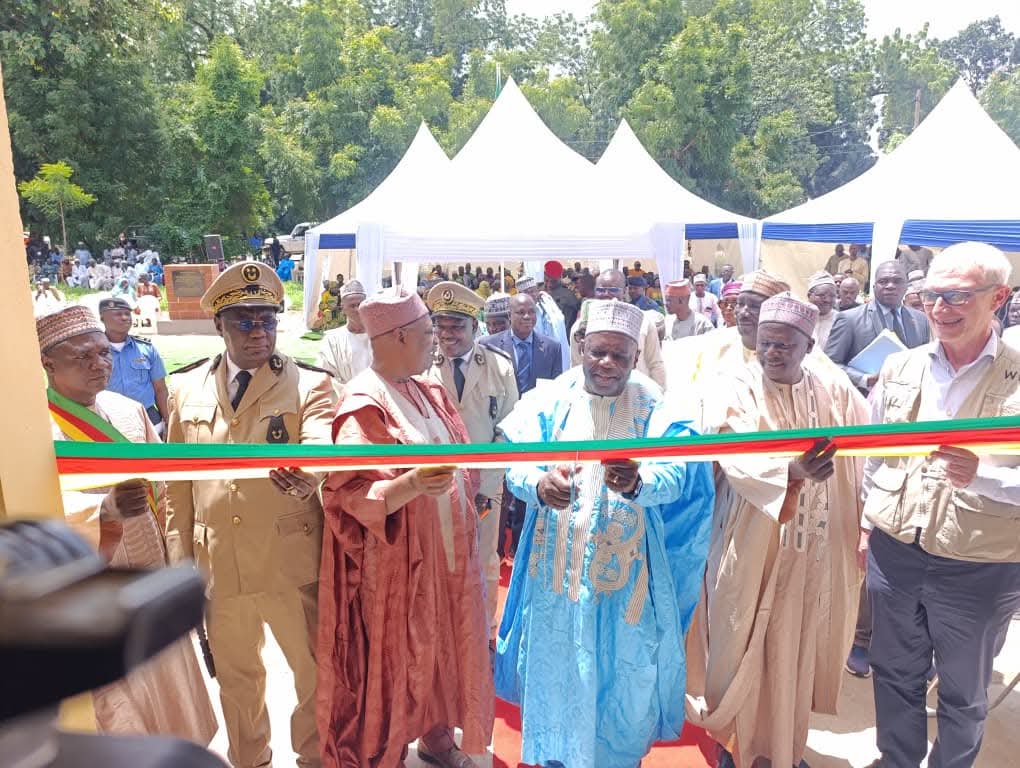
© WFP The United Nations World Food Programme - WFP has officially handed over a newly constructed administrative building to the Sub-divisional Delegations of the Ministry of Agriculture and Rural Development - MINADER serving Maroua I and Maroua II. This milestone marks a significant step forward in strengthening the operational capacity of local agricultural authorities in the Far North Region of Cameroon. The official handover ceremony was led by Gianluca Ferrera, WFP Representative and Country Director in Cameroon, alongside His Excellency Gabriel Mbairobe, Minister of Agriculture and Rural Development. Their joint presence highlighted the shared commitment of both international agencies and national leadership to drive sustainable development and enhance public service delivery in the region. Designed to upgrade the local working environment, the new infrastructure will allow administrative officers to better serve regional agricultural stakeholders. By providing local authorities with modern facilities, the initiative aims to streamline support for smallholder farmers and enhance the rollout of crucial rural development programs across the surrounding areas. Beyond improved office space, the investment serves as a strategic boost to regional food systems and long-term community resilience. Strengthening MINADER’s capacity at the sub-divisional level ensures that local farmers receive more effective, direct assistance, ultimately supporting sustainable livelihoods and bolstering food security in communities vulnerable to climatic and economic shocks. This modern facility reflects a deepening partnership between WFP and the Government of Cameroon to establish lasting, sustainable solutions for food security. By continuing to empower local agricultural institutions, both partners are working toward a future where farmers are better supported, communities become increasingly resilient, and no one is left behind. Cet article Agriculture: WFP inaugurates new Administrative facility in Far North Cameroon est apparu en premier sur Journal du Cameroun.
 Cameroon
Cameroon and IMF hold High-level economic consultations in Yaounde
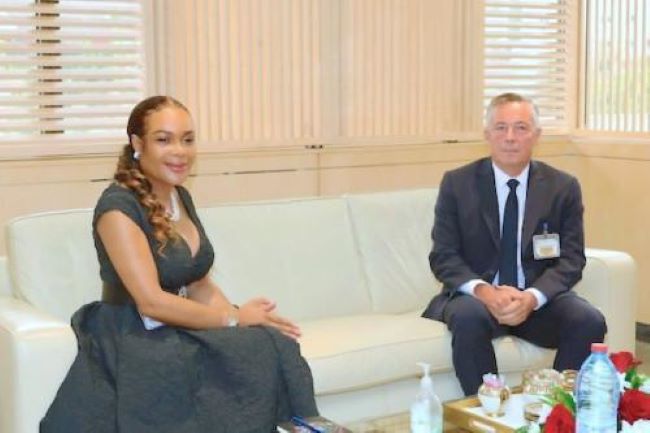
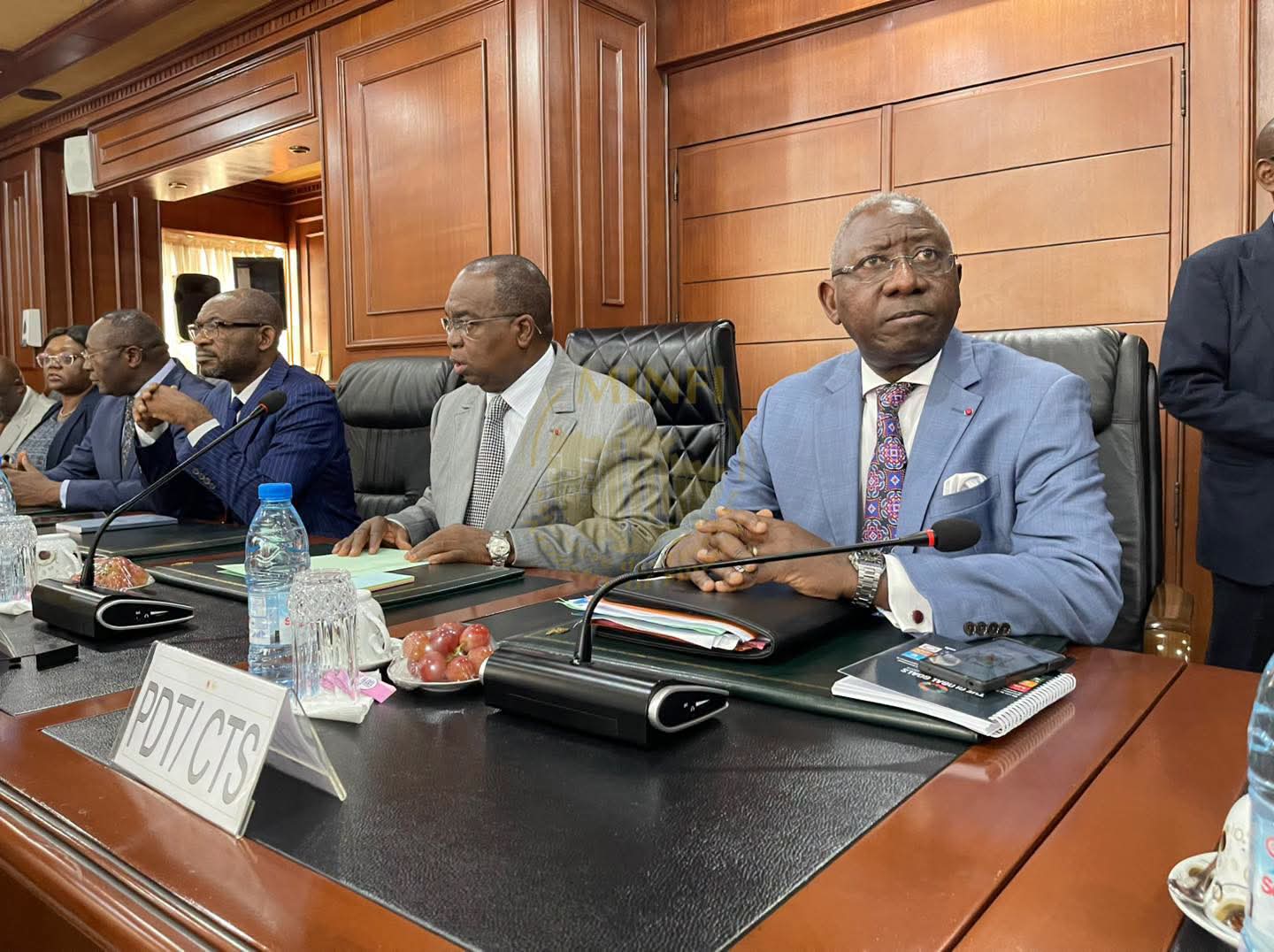
© MINFI The Minister of Finance, Louis Paul MOTAZE, hosted a consultation meeting on Thursday, September 17, 2026, at his office in Yaounde with a visiting delegation from the International Monetary Fund - IMF. The delegation was led by Christine DIETERICH, the IMF Mission Chief for Cameroon, alongside key senior collaborators from the ministry. The primary purpose of this visit is to conduct a periodic review of the nation’s macroeconomic and fiscal framework in accordance with standard statutory obligations applicable to all IMF member states. This high-level dialogue follows the successful completion of Cameroon's 2021–2025 Economic and Financial Programme, which formally concluded in July 2025. As a result, Cameroon is currently no longer operating under an active IMF-supported program. Consequently, the ongoing mission operates under the framework of regular economic surveillance and bilateral consultation mandated by Article IV of the IMF’s Articles of Agreement, rather than serving as a formal program review tied to financial disbursements. During the discussions, both parties focused on key aspects of the Cameroonian economy, evaluating recent macroeconomic trends, medium-term growth prospects, and the current state of public finances. Special attention was devoted to debt sustainability and the government's strategic budgetary directions moving forward. These evaluations aim to ensure that the national financial strategy remains aligned with sound macroeconomic principles. The consultation provided an essential opportunity for both sides to take stock of the milestones and lessons learned from their prior financial cooperation while addressing lingering structural challenges. Representatives from the IMF mission shared actionable observations and recommendations intended to reinforce public finances, safeguard macroeconomic stability, and foster long-term, sustainable, and inclusive economic growth. Moving forward, the collaborative assessment reinforces the ongoing strategic partnership between Cameroon and the IMF. By maintaining open lines of communication and incorporating global economic insights, the Cameroonian government aims to consolidate recent fiscal gains, tackle persistent macroeconomic hurdles, and establish a resilient foundation for future financial stability. Cet article Cameroon and IMF hold High-level economic consultations in Yaounde est apparu en premier sur Journal du Cameroun.
 Cameroon
More Than 52 CDC Palm Trees Destroyed by Muslim Community in Mutengene
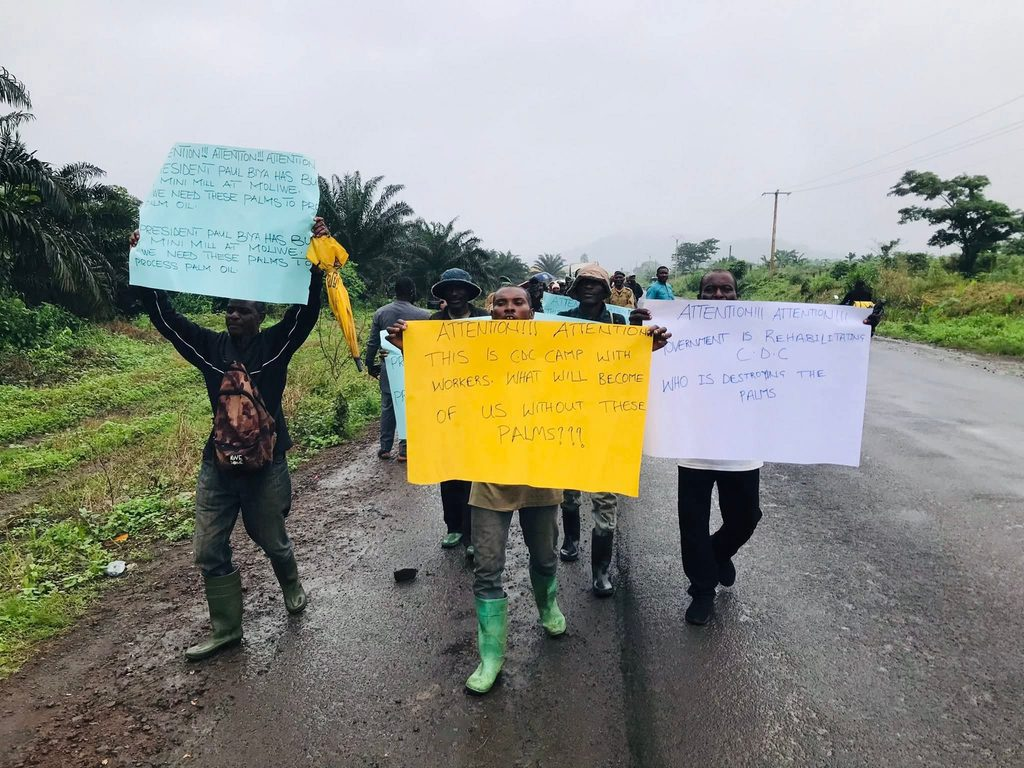
More than 52 young oil palm trees have been destroyed at a Cameroon Development Corporation plantation in Mutengene, Southwest region, after members of a Muslim community entered the estate to clear land for the construction of a mosque, according to CDC officials. The incident has sparked a dispute over the status of the land, with … The post More Than 52 CDC Palm Trees Destroyed by Muslim Community in Mutengene first appeared on Cameroon News Agency.
Recommandé pour vous
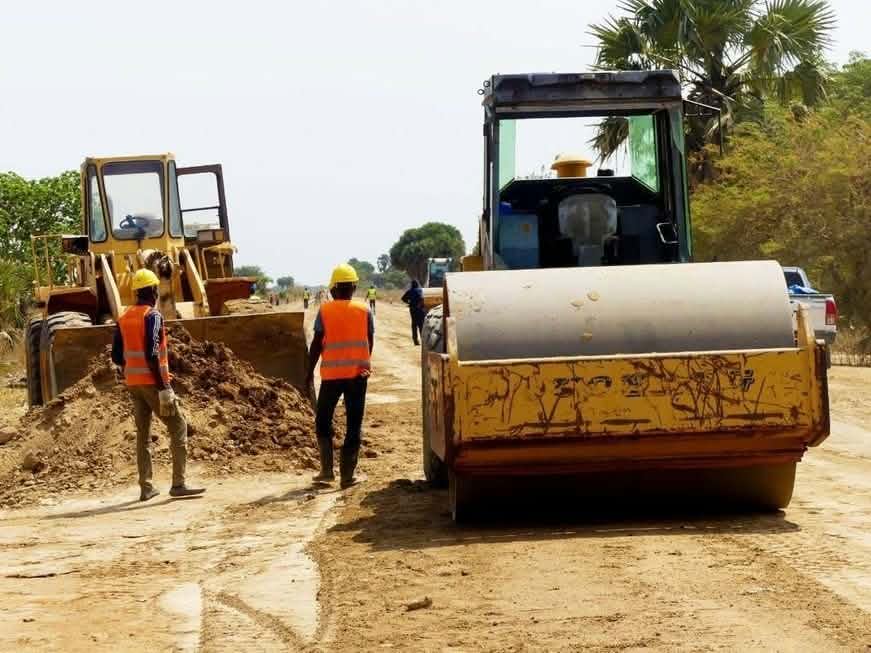
France-Tchad : un forum d'affaires à Paris pour transformer les priorités économiques en projets concrets
Alwihda Info
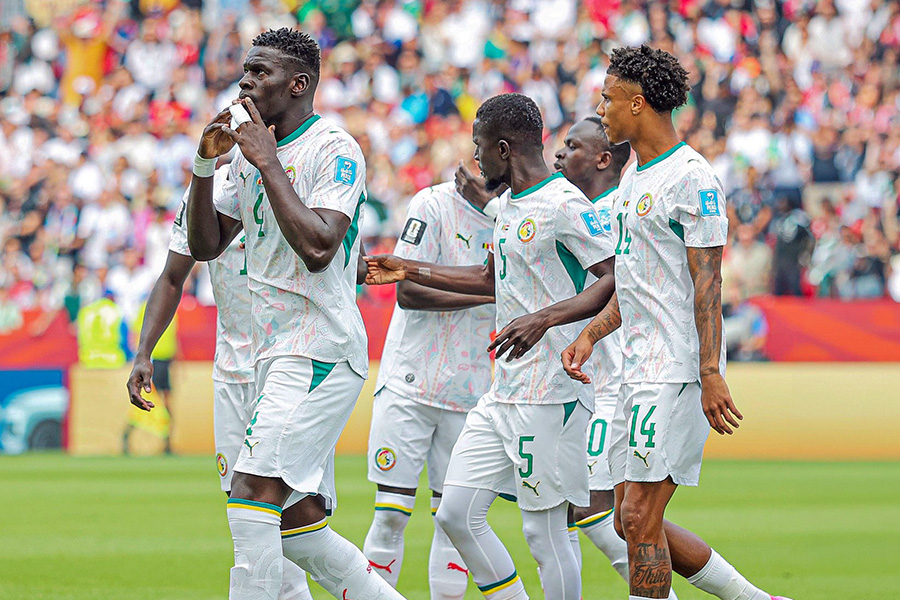
Sénégal-Mozambique à Maputo : coup d’envoi à 13 h GMT et diffusion sur cinq chaînes
Senego
🇨🇲 De quel région sera issue le tout premier Vice-Président du mandat des Grandeur et Espérance ?
Sponsorisé · KasoPlex

Cheikh Touré : deux suspects arrêtés au Ghana auraient décrit un réseau de faux recruteurs
Senego

Les États-Unis et la Chine s'opposent à toute régulation de l'intelligence artificielle.
France 24

"Comment l'Amérique a donné l'Iran aux Mollah", un livre de Scott Anderson
France 24
Les Lifeurs·euses africain·e·s qui cartonnent en ce moment
Sponsorisé · KasoLife

Dioïla : les travaux de construction du camp militaire démarrent
Malijet